

Introduction
Bird photography requires quick reactions and a solid understanding of camera technique, as both play a key role in capturing sharp and well-timed images. It often involves fast moving subjects, unpredictable behavior, and challenging distances, which means your settings, positioning, and timing need to be consistent. Small technical mistakes are amplified quickly, especially when working with long focal lengths and subjects that rarely stay still for long.
Rather than focusing on gear alone, improving results comes down to understanding how to control your camera in fast changing situations. The following tips focus on the technical decisions that directly influence your images in the field and help you achieve more consistent outcomes.
1. Use Shutter Speed Intentionally
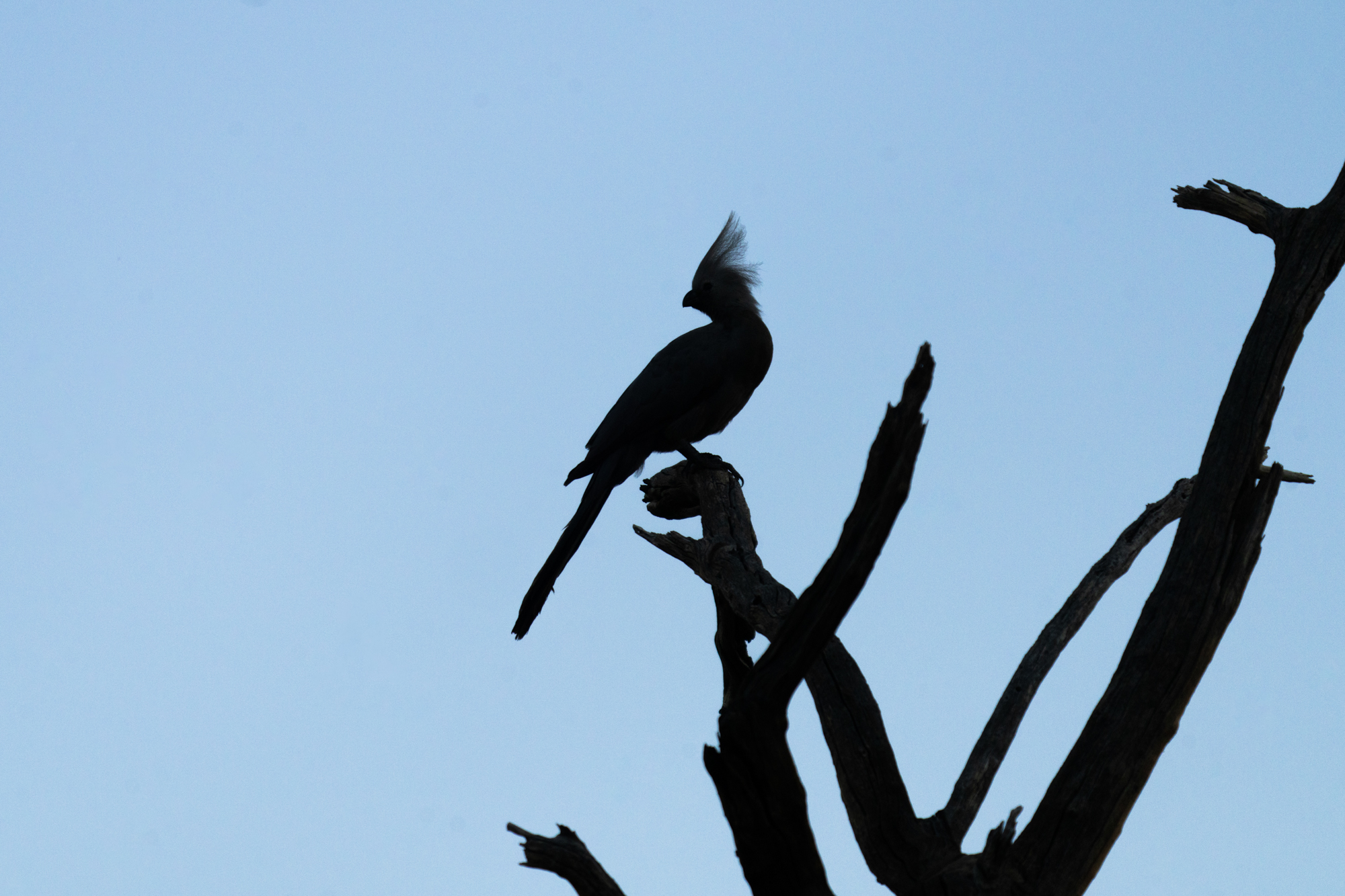
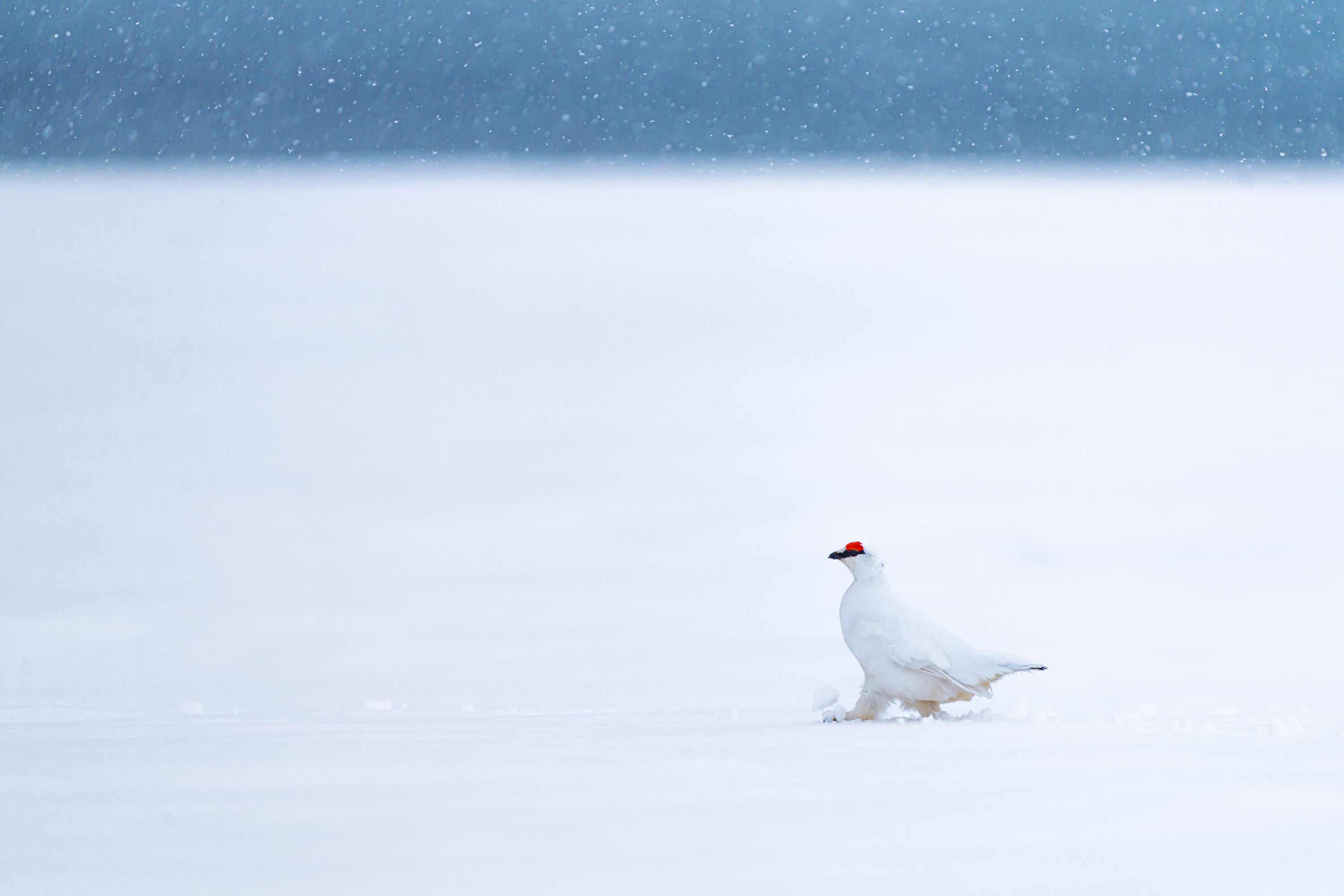
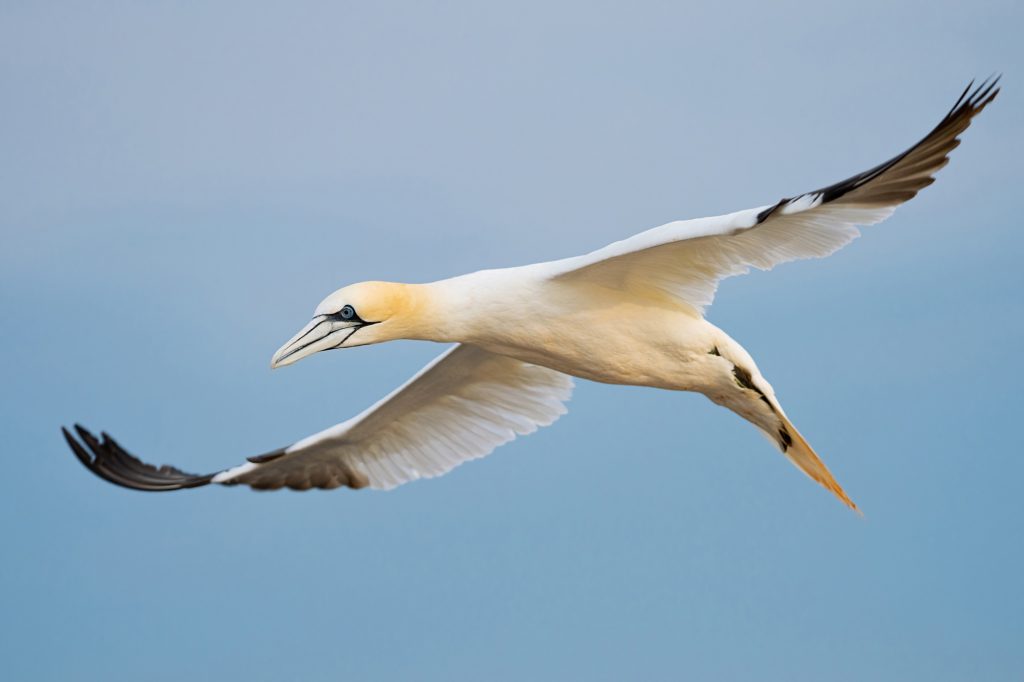
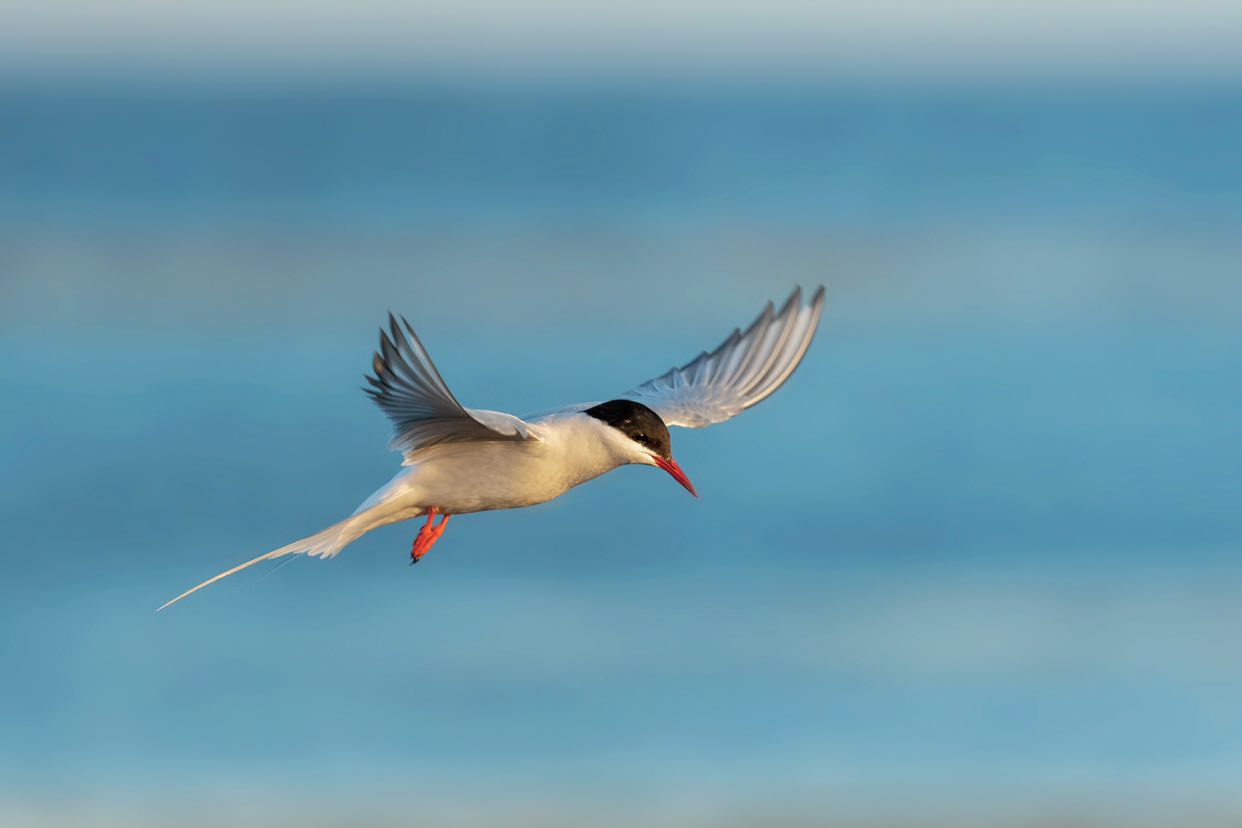
Shutter speed is one of the most critical settings in bird photography, and it should always be chosen deliberately. For perched subjects, a minimum of around 1/1000s is typically required to maintain sharpness, particularly when using longer lenses where even slight movement becomes visible. For birds in flight, shutter speeds often need to increase to 1/2000s or higher to properly freeze wing motion and avoid blur.
However, using the fastest possible shutter speed is not always the best approach. Extremely fast settings can remove all sense of motion from the image, resulting in photos that feel static. In some cases, slightly slower shutter speeds can introduce controlled motion blur in the wings, which adds a sense of movement and energy. Treating shutter speed as both a technical and creative decision leads to more intentional results.
2. Control Your Autofocus Settings
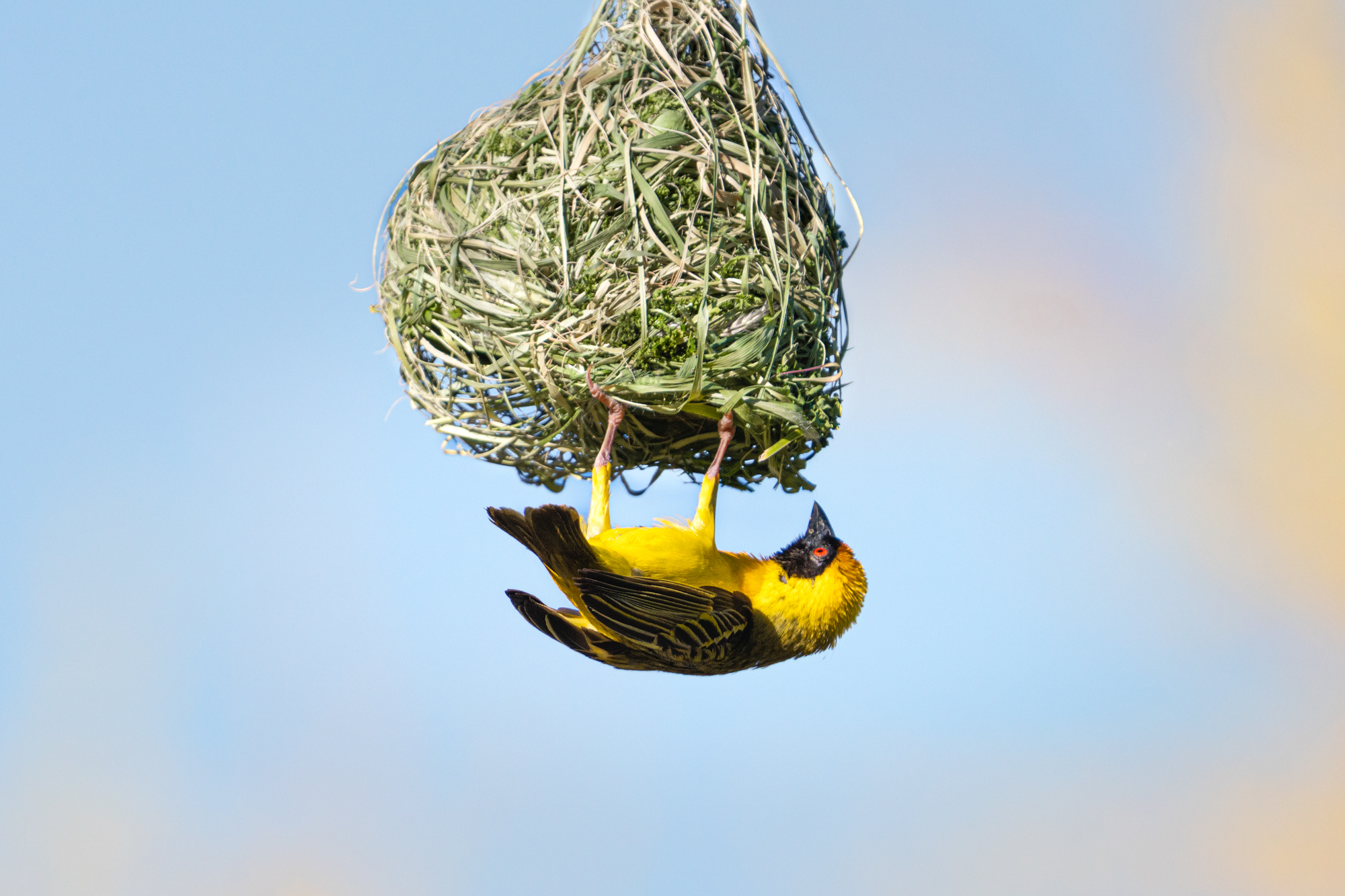
Autofocus is another fundamental element that requires careful setup. Continuous autofocus is essential for tracking moving subjects, but the choice of focus area can significantly affect your results. Smaller focus areas offer greater precision and are particularly useful when shooting in environments with branches or other distractions. However, they require more accurate positioning from the photographer.
Larger tracking zones are more forgiving and can help when subjects move unpredictably, but they also increase the risk of the camera locking onto the background instead of the subject. While modern autofocus systems, including eye detection, can be helpful, they are not always reliable, especially with small or distant birds. Understanding when to rely on these features and when to override them manually is key to maintaining control in the field.
3. Use Auto ISO to Maintain Consistency
Maintaining a sufficiently fast shutter speed is usually more important than manually controlling ISO at all times. This is where Auto ISO becomes a highly practical tool. By setting a minimum shutter speed and allowing the camera to adjust ISO automatically, exposure remains balanced without constantly changing settings as conditions shift.
Auto ISO is especially useful when subjects move between different lighting conditions, such as shade and direct sunlight. It can be combined with aperture priority or manual mode to maintain control over depth of field and shutter speed while letting the camera handle exposure adjustments.
Rather than focusing on ISO values in real time, the priority shifts to maintaining sharpness. Modern cameras handle higher ISO values reasonably well, and any noise introduced can usually be addressed in post processing. Motion blur, however, cannot be recovered, which is why Auto ISO helps prioritize the most critical element, sharpness.

4. Stabilization and Shooting Without a Tripod
While tripods can be useful in certain situations, handheld shooting is often more effective for bird photography. It allows for greater flexibility, faster reactions, and easier tracking of moving subjects. This mobility is especially important when subjects change direction or location quickly.
Proper handholding technique is essential. Supporting the lens with both hands, keeping your elbows close to your body, and maintaining a stable stance all contribute to reducing camera shake. Image stabilization can further help minimize small movements, particularly when working at slower shutter speeds or in lower light conditions.
Shooting handheld encourages a more responsive approach. Instead of being fixed in one position, you can adapt, follow movement, and reposition as needed. This often results in better angles, cleaner backgrounds, and more natural compositions.

5. Focus on Patterns, Textures, and Fine Details
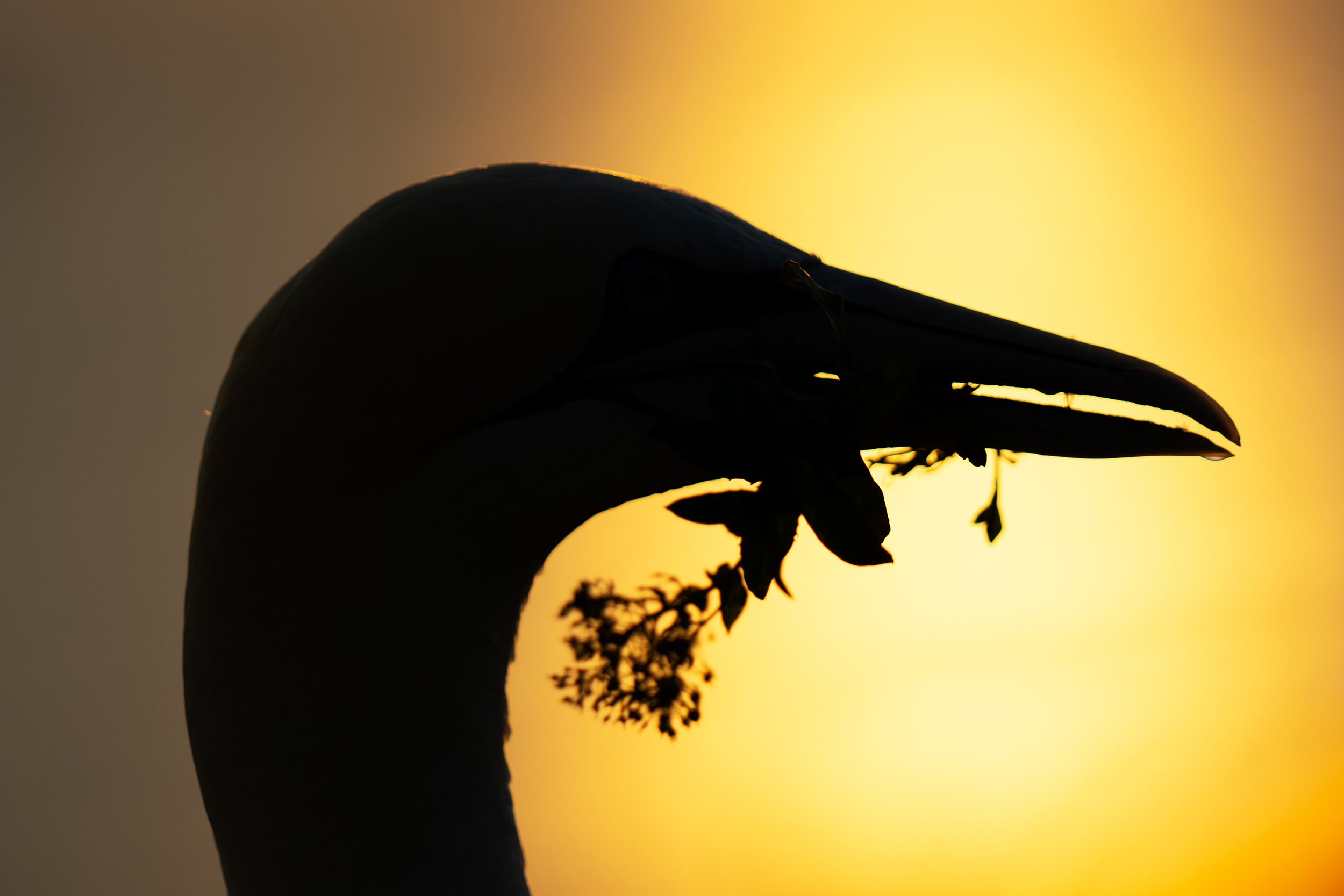
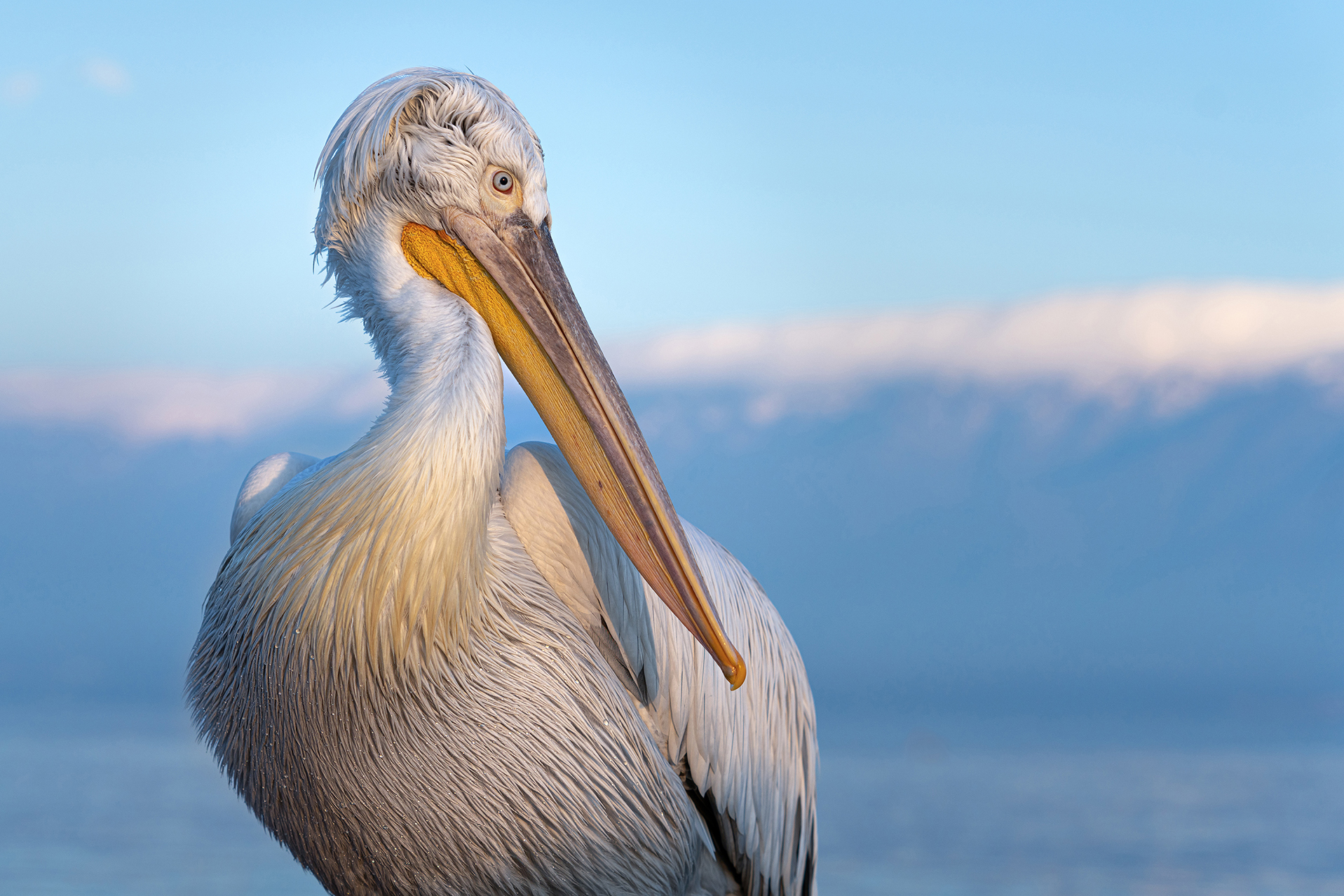
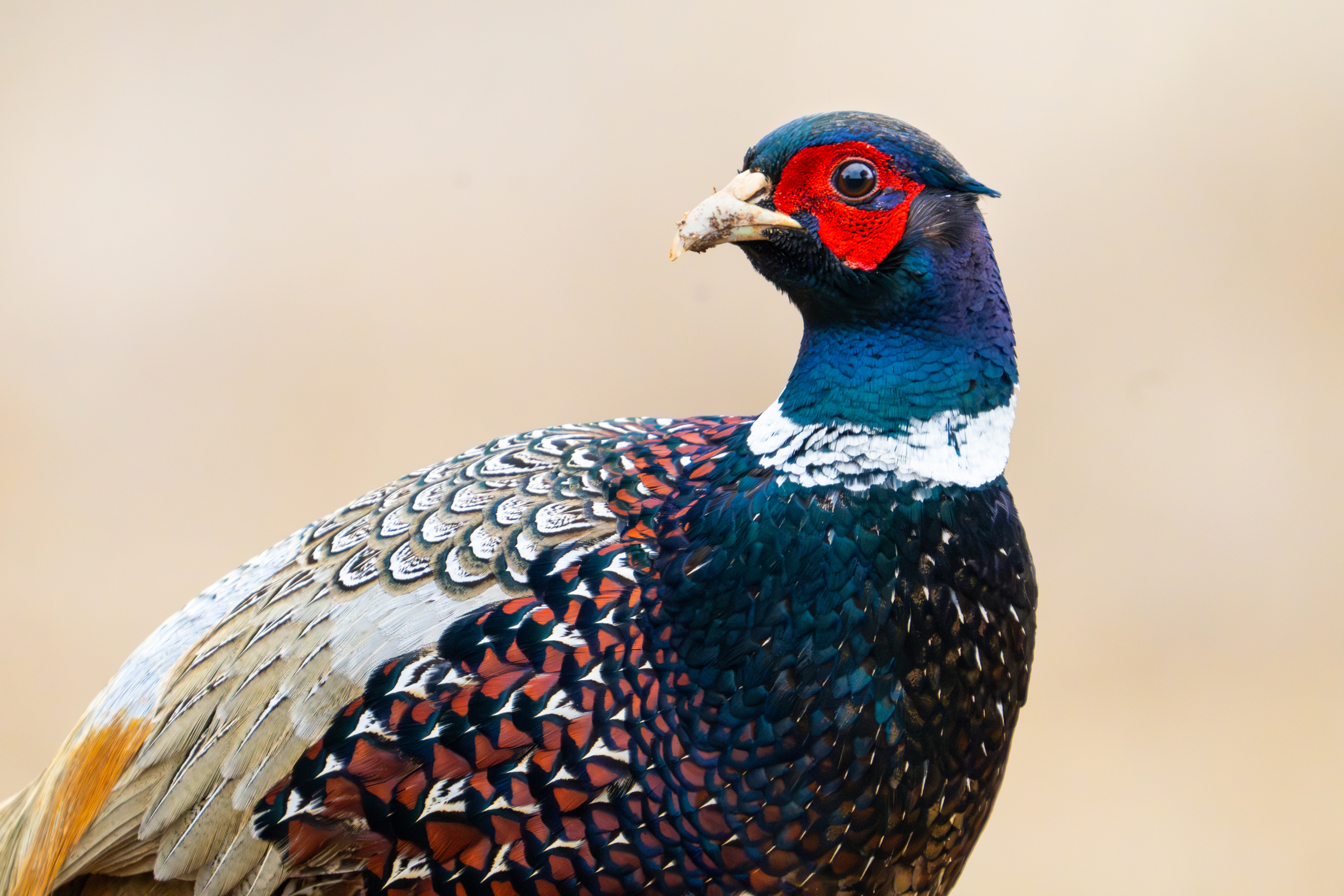
In bird photography, it is easy to become overly focused on capturing the entire subject in a traditional, fully framed composition. However, shifting attention toward patterns, textures, and smaller visual details can lead to more unique and compelling images. Feathers, for example, often contain intricate structures, subtle color transitions, and repeating patterns that become more visible when you move closer or use tighter framing.
Instead of always prioritizing the full bird in the frame, consider isolating elements such as the head, wings, or specific sections of plumage. This approach allows you to emphasize texture and detail, which can create more abstract and visually interesting results. Backgrounds also play an important role here, as clean or softly blurred backgrounds can help highlight these fine details without distraction.
6. Respect Wildlife and Maintain Ethical Practices
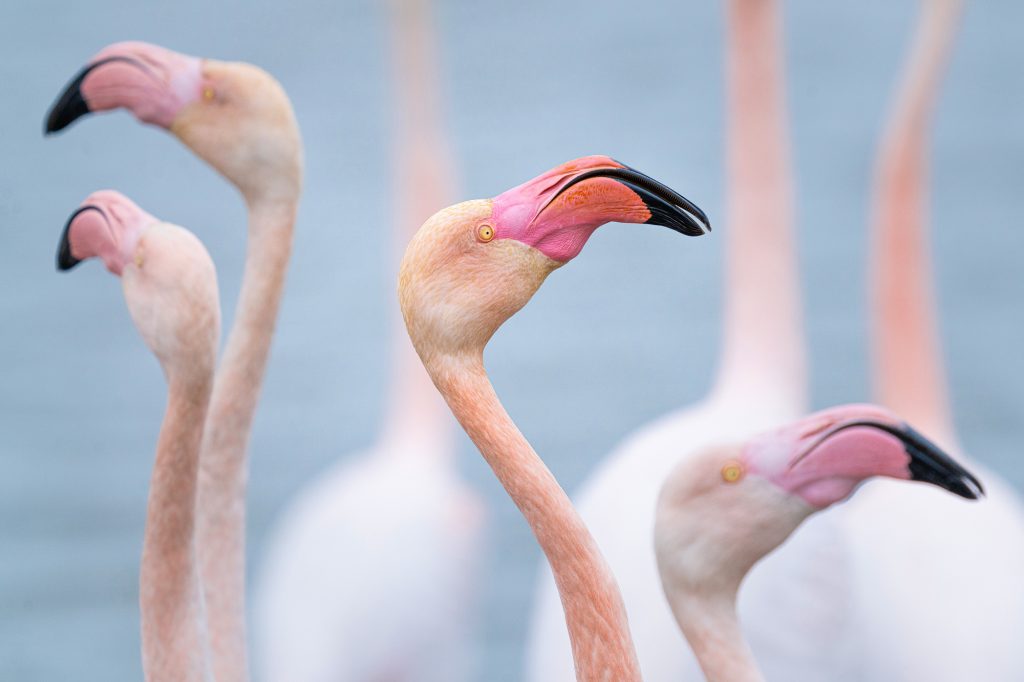
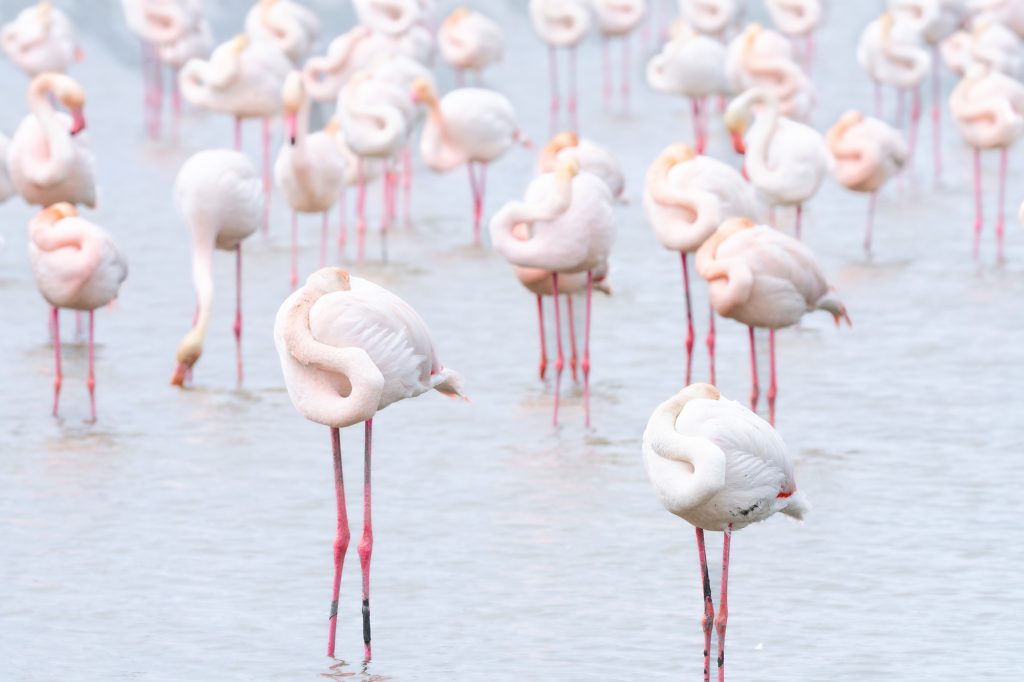
Ethics should be an integral part of bird photography. Approaching subjects too closely, disturbing nesting sites, or altering natural behavior can negatively impact wildlife. Responsible practice means prioritizing the well being of the subject over the image.
Maintaining distance, avoiding repeated disturbance, and following local guidelines are essential. Using longer lenses is often not just a technical choice but also an ethical one, allowing images to be captured without interference. Ethical considerations help ensure that photography remains sustainable over time.
Conclusion
Bird photography is often described as gear intensive, but technique plays an equally important role. The ability to control shutter speed, autofocus, ISO through Auto ISO, stability, positioning, and ethical approach all contribute to consistent and meaningful results.
Developing these skills takes time, but it leads to more reliable outcomes and a better understanding of the process. A more intentional and flexible approach allows you to respond to changing conditions while maintaining both technical quality and respect for wildlife.


 EN
EN  DE
DE