

Night photography allows you to capture the natural world in an entirely new way, transforming landscapes into ethereal scenes under the glow of the moon and stars. With the right techniques and mindset, you can overcome the challenges of low light to create breathtaking images.
Choosing the Right Equipment for Night Photography
When it comes to night photography, having the right tools is essential. A DSLR or mirrorless camera with manual controls will give you the flexibility to adjust key settings like shutter speed, aperture, and ISO. Pair your camera with a wide-angle lens that has a large aperture, such as f/2.8 or wider, to let in as much light as possible. A sturdy tripod is indispensable for long exposures, ensuring your images remain sharp and free of motion blur. To further stabilize your shots, consider using a remote shutter release or the camera’s timer function to minimize vibrations.
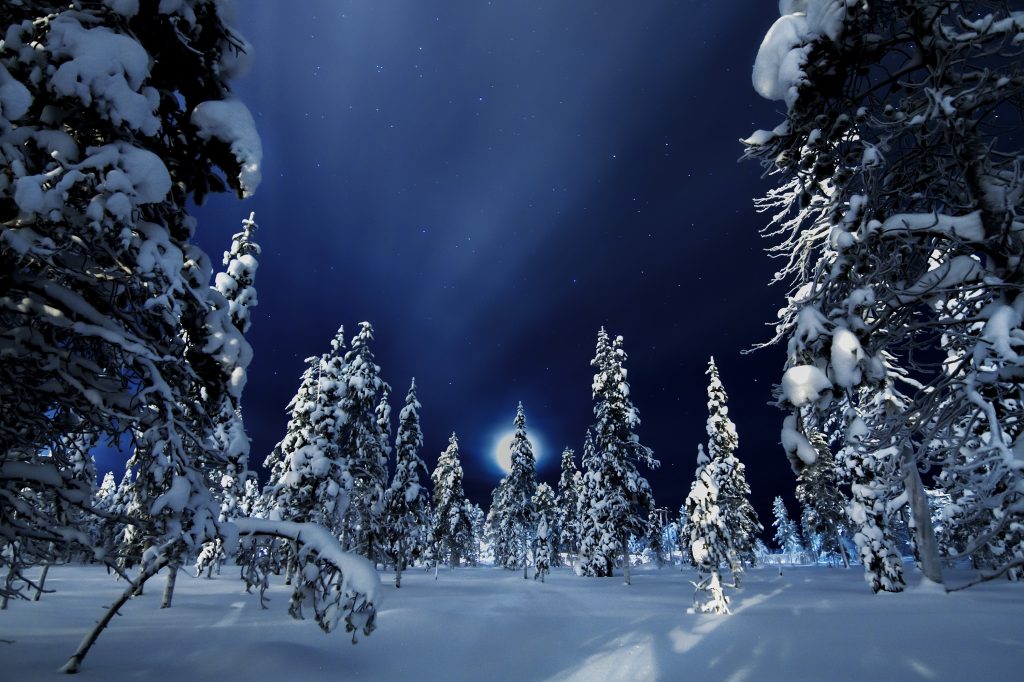

Mastering Long Exposure Techniques
Capturing sharp and detailed images in night photography requires mastering long exposure techniques. With minimal light available, extending your shutter speed—often up to 15 or 30 seconds—lets your camera gather enough light to illuminate the scene. When shooting the stars, apply the “500 rule” by dividing 500 by your lens’s focal length to determine the maximum shutter speed that avoids star trails. Balancing this with a high ISO and a wide-open aperture will help you achieve properly exposed images while maintaining clarity.
Using Light Creatively in Night Photography
Lighting plays a pivotal role in the artistry of night photography. Natural light from the moon and stars provides soft, atmospheric illumination, while artificial sources can add drama and focus. For instance, using a flashlight to light up a foreground object creates depth and contrast in your composition. Light painting, where you move a light source through the frame during a long exposure, is another technique to explore. This method can result in vibrant and creative images that are uniquely your own.


Read also: How to Photograph the Northern Lights: A Guide for Capturing Nature’s Light Show
Composing Striking Nighttime Images
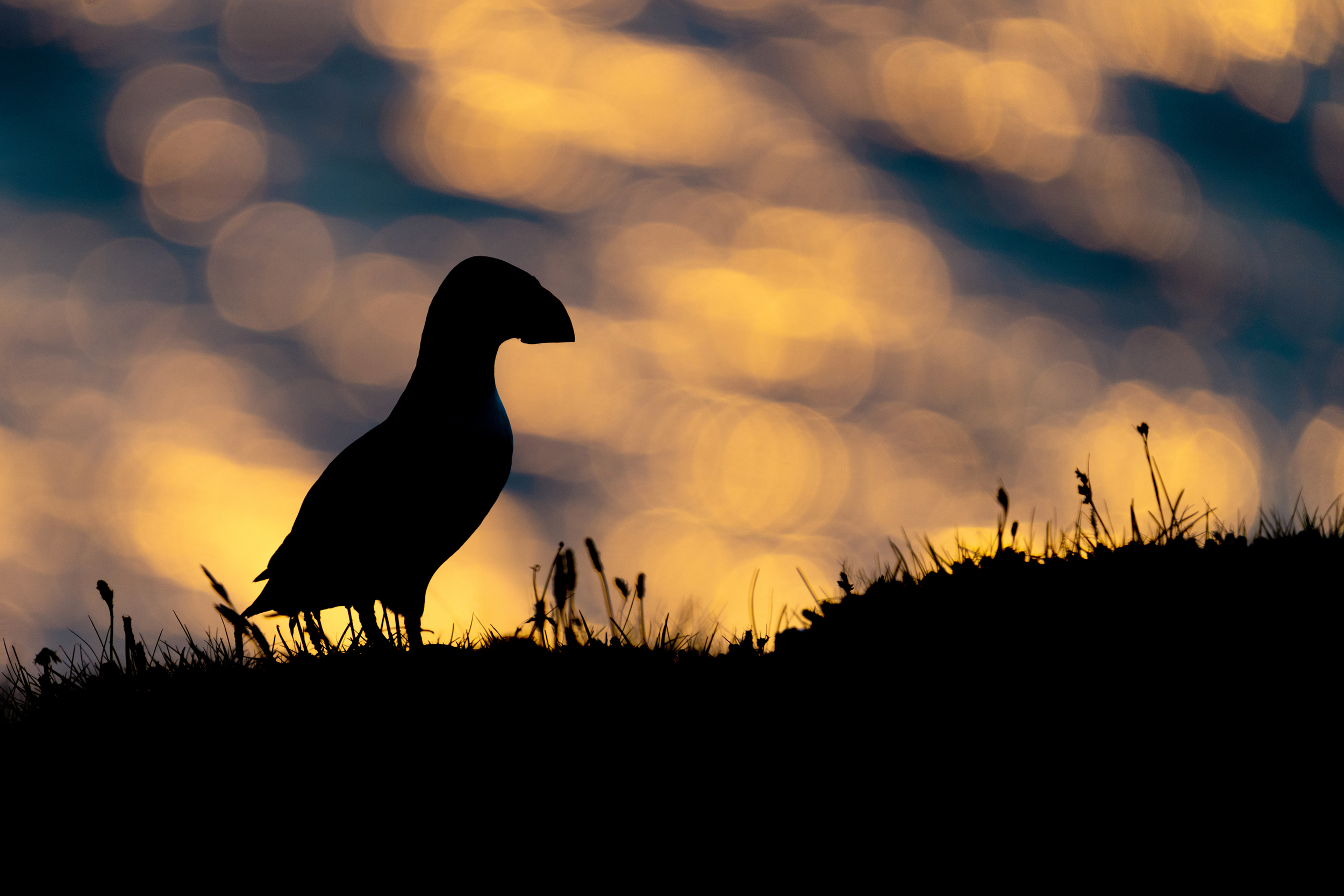
Composition takes on new importance in night photography. The reduced light often simplifies scenes, so focus on strong shapes, silhouettes, and contrasts. A foreground element, such as a tree or boulder, can anchor your composition and add depth to the frame, particularly in wide shots featuring a starry sky. Look for leading lines, reflections, or natural frames that guide the viewer’s eye and create a sense of cohesion in your image.
Planning and Patience: Keys to Success
Success in night photography often depends on preparation. Factors such as cloud cover, moon phase, and light pollution can greatly affect your results. Research your location in advance and plan your shoot around optimal conditions, such as clear skies or the absence of a bright moon. Patience is essential, as it may take time to find the perfect combination of settings, light, and composition.


The Beauty of the Nocturnal World
Night photography is more than just a technical challenge—it is a way to see and celebrate the hidden beauty of nature after dark. By experimenting with your equipment, techniques, and creativity, you can capture stunning images that convey the magic of the nocturnal world. Whether you are documenting star trails, moonlit landscapes, or nocturnal creatures, night photography is a rewarding adventure that offers limitless possibilities.

 EN
EN  DE
DE