Bird photography requires quick reactions and a solid understanding of camera technique, as both play a key role in capturing sharp and well-timed images. The following tips focus on the technical decisions that directly influence your images in the field and help you achieve more consistent outcomes.
Photography competitions have long been a central part of the photographic world. Having been involved in judging nature photography competitions, I have come to realize that their structure is more complex than it appears from the outside. There are clear advantages to competitions, but there are also important limitations that are not always visible at first glance.
Mental health in photography is increasingly affected by the constant need to produce content, a pressure that has largely arisen with the onset of social media. For someone working with limited time and a normal budget, sustaining this level of output is often unrealistic, yet it is frequently perceived as the standard.
Nature photography is often romanticized as something pure, simple, and accessible to everyone. It is portrayed as a passion driven by curiosity, patience, and a deep appreciation for the natural world. On the surface, it feels like an open field. This idea is appealing, but it can also be misleading.
In August 2021, I was privileged to embark on a road-trip through Iceland for 26 days. During this time, I visited some of the most breathtaking locations that the country has to offer along the east, west and south coast. Traveling to Iceland also unveiled some of the numerous ways that Iceland celebrates its nature and environment – from stories about Elves, greenhouses and renewable energy sources, to maintaining natural sights and keeping them accessible to tourists. On the other hand, throughout my trip, I also witnessed some scenes that made my stomach turn. Individuals blatantly disregarding Icelandic laws and regulations, the disturbance of wildlife and nature, as well as reckless behaviors at natural sights. For this reason, this guide serves as a compass for those wishing to visit the country, with some helpful tips on things to do (and not to do) while photographing in Iceland.
Short Summary of Photography Regulations in Iceland
Flying your drone in national parks and protected areas (Skaftafell, Thingvellir, Vatnajökull) is strictly forbidden in Iceland. Moreover, droning in areas that are heavily populated by tourists (Reynisdrangar, Diamond Beach, Jökulsárlon, Dyrholaey, Seljalandsfoss, Gulfoss, Skógafoss, Godafoss, etc.) is also restricted.
In order to be able to drone in these areas, a special permit can be requested from Icelandic authorities. Acquiring a permit costs around 200-300 EUR. Svinafellsjökull remains off-bounds for droning throughout the entire year and a permit is only granted under special conditions.
Swimming in Jökulsárlon, climbing on the ice or smashing it is not allowed. Likewise, disturbing Puffin burrows, baiting, calling, or droning around seabirds is not recommended and can greatly threaten them. Take only memories, leave only footprints.
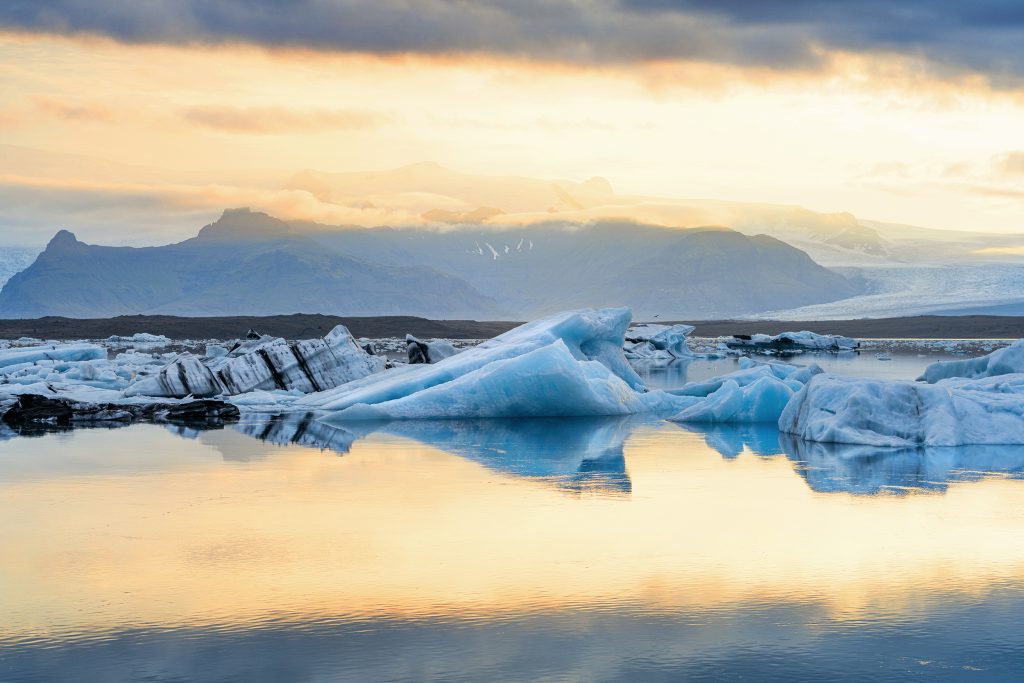
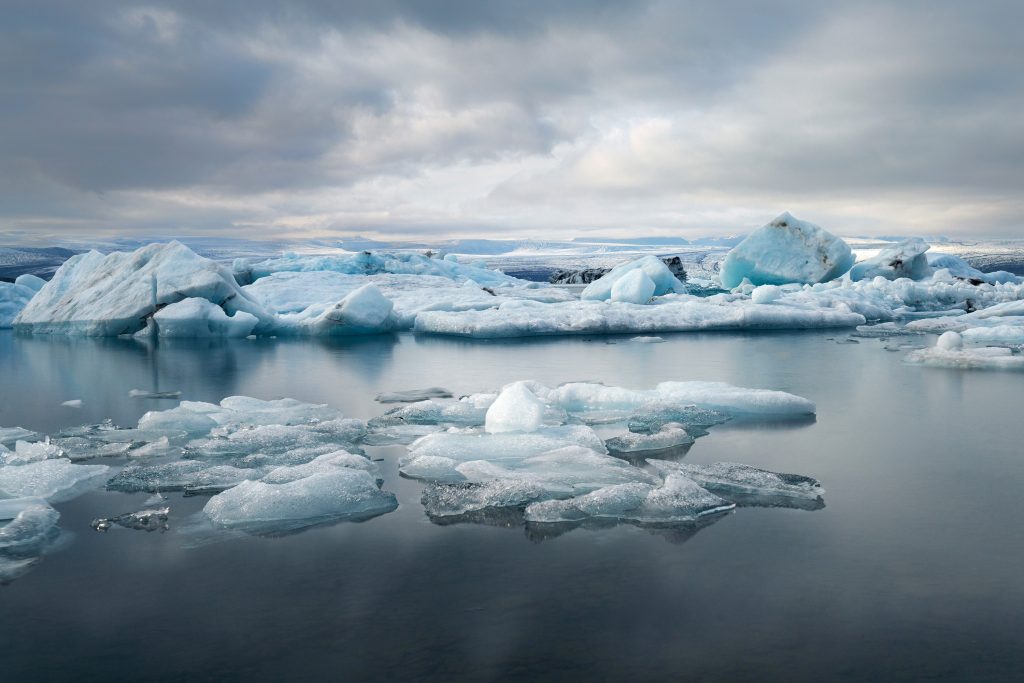
Jökulsárlon glacier lagoon is arguably one of the most visited destinations for photography in Iceland. With its towering sheets of ice and crystal-clear, turquoise water, it offers potential for capturing unique landscape photographs with stunning colors. Besides the otherworldly scenery, Jökulsárlon also harbors an incredible history. The icebergs floating in the water are comprised of 1,000-year-old glacial ice that has formerly broken away from the Breiðarmerkurjökull glacier tongue. Home to wildlife, such as seals and seabirds, the chances of encountering various species in the area and in the vicinity of Diamond beach are pretty high.
Please keep in mind: Jökulsárlon glacier lagoon is a drone-free zone. This means that if you would like to fly your drone in the area, you must request a special permit from the national park authorities. Moreover, swimming in the lagoon is a big no-no, as the water and ice are home to many seabirds and marine mammals, as well as keeping the water pristine. As the icebergs are up to 1,000 years old, breaking the ice and throwing rocks at it is also forbidden. Not only will this disturb the wildlife in the area, but also ruin historic landscapes that have taken centuries to build. Lastly, please refrain from going on an “eco-friendly” motor-boat ride at the lagoon. Not only does a Zodiac damage and break icebergs in the area for these large tourism boats to be able to enter the water on wheels, it also creates an immense amount of pollution (the oil from the boat can clearly be seen floating on the water). Instead, choose to go for a truly eco-friendly kayak-ride.
2. See the Puffins
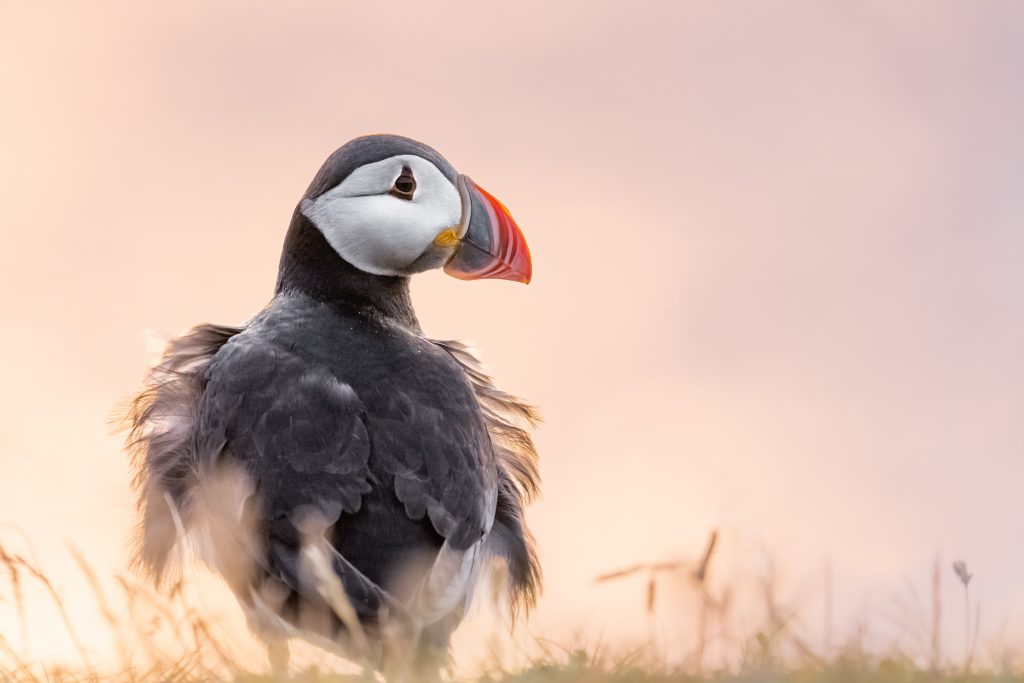
Atlantic puffins are the trademark of Iceland. The small seabirds nest on the steep cliffs of Iceland’s shorelines during the summer, where they mate and raise their young in burrows. During this time, puffins are also endorsed with their beautiful technicolor beaks and matching orange feet. With the stark contrasts in color, they make for a wonderful subject in front of the camera.
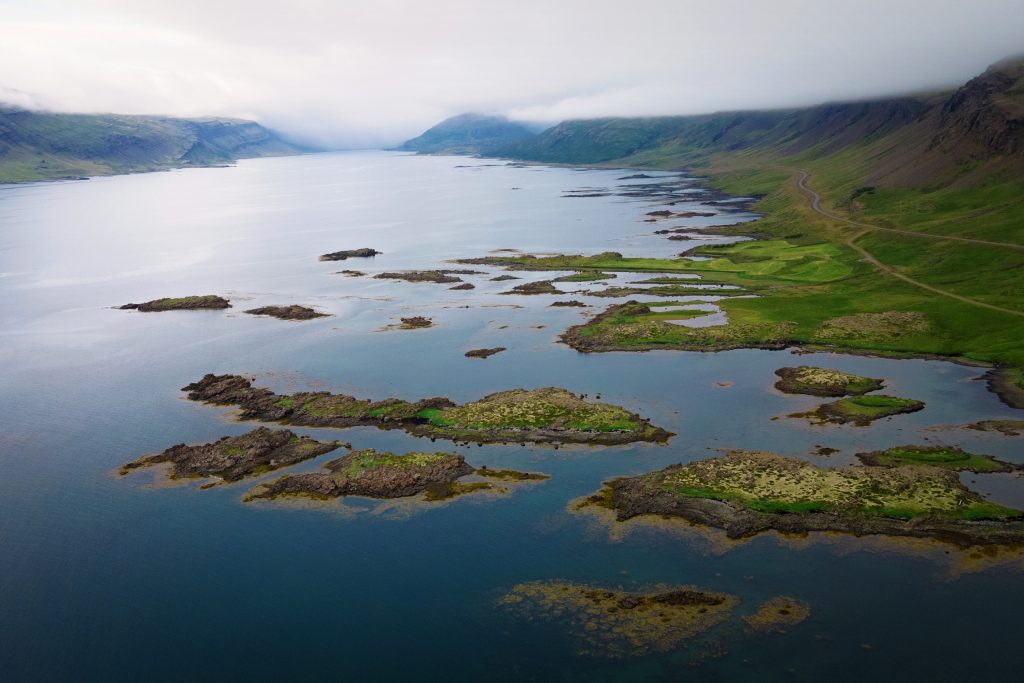
While Atlantic puffins can be found around the coastlines of Iceland, the Westfjords and South-East of Iceland offer some great spots to observe the seabirds. The best time to visit the colonies is anywhere between May and August, as the birds spend their time at sea during winter.
Please keep in mind: Puffins – as well as other birds – are very sensitive to noise and distractions. Therefore, it is forbidden to fly your drone in the vicinity of colonies (especially, as birds can get injured in flight). Moreover, interfering with the birds’ natural habitat by getting too close to burrows (or stepping on them), baiting, calling and touching the birds is a big no-no while photographing in Iceland. Most importantly, as Atlantic puffin numbers are declining (by 45% between 2003 and 2017), it still remains questionable to me why some tourists would first seek out puffins to observe them, only to consume a puffin in a restaurant afterwards. In conclusion, don’t be that tourist.
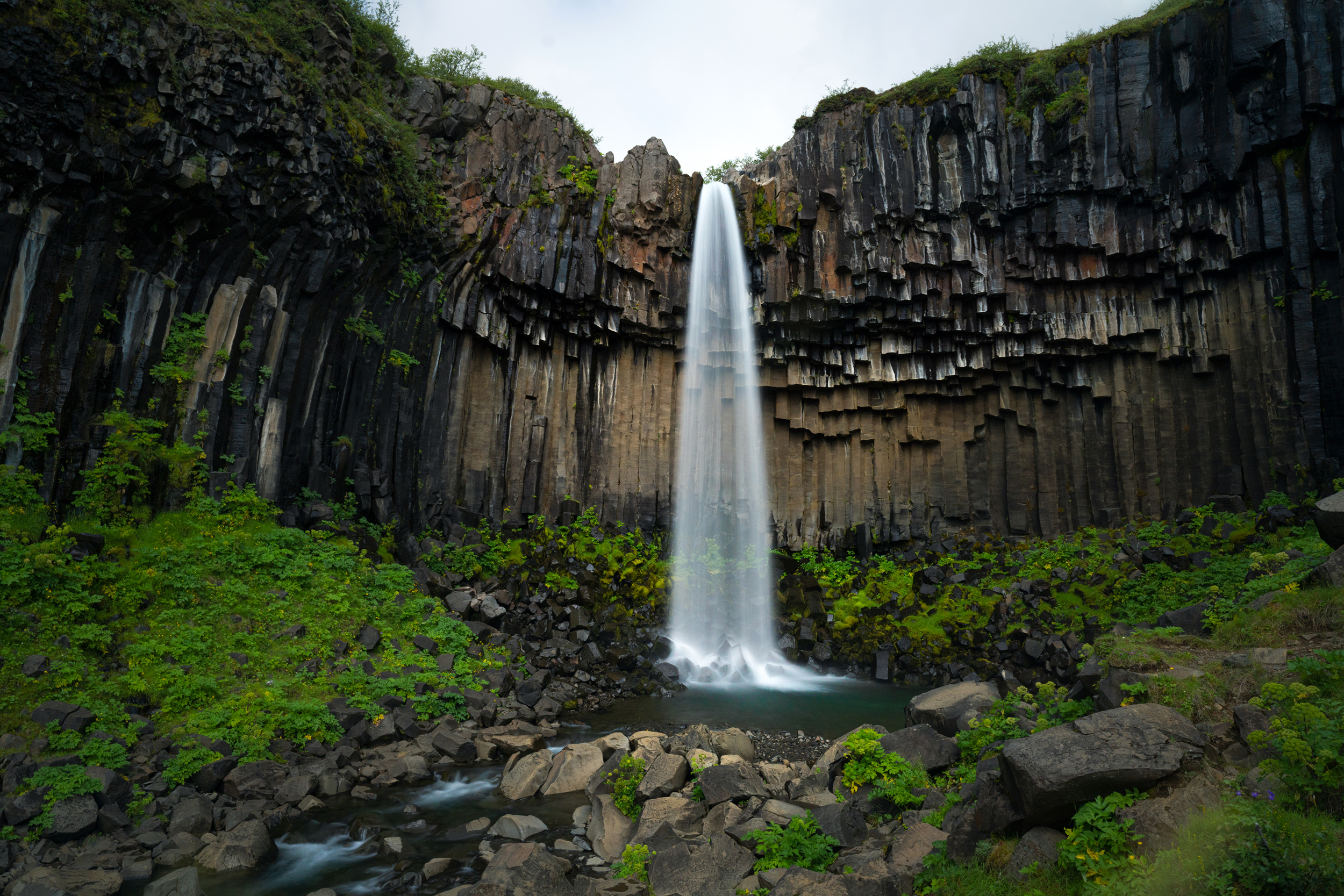
Svartifoss (translates to “Black Falls”) is a breathtaking 20 Meter (66 Foot) waterfall in South-East Iceland. On the brink of the Skaftafell National Park, it can easily be accessed via an easy, 30-minute hike from the Skaftafell campsite. The black basalt columns surrounding the waterfall are what make it so special. These basalt columns have arisen from the rapid cooling and contraction of lava, which crystalizes into the shape of a column.
Please keep in mind: Parts of Svartifoss are fenced-off for preservation. Hence, walking right up to the waterfall is not possible. The fenced-off area allows for observation of the scenery from close-up, regardless. However, during my time visiting the waterfall, several tourists were climbing over the fenced areas to take photographs directly in front of the waterfall. This is very damaging to the unique flora in the area, as it does not allow it enough time to restore and grow back. In addition, other individuals were throwing their cigarettes on the ground and leaving their trash on site. It is important to remember that visiting and observing these natural phenomena is a privilege for us. Acting recklessly and treating these locations as a dumping ground not only takes away from the experience for conscious visitors, but also threatens the ecosystem. An Instagram photograph is not worth the damage of nature.
4. Discover Reynisdrangar (Black Sand Beach) and Dyrhólaey
Reynisdrangar (Black Sand Beach) and Dyrhólaey (translates to “the hill island with the door hole”) are some of the most iconic locations in Iceland. Offering spectacular views of the rock formations in the middle of the sea, they are also beautiful locations for landscape photographers, in particular at magic hour. Both locations can easily be accessed by car, with a 20-minute hike up to Dyrhólaey from the parking lot. In particular, Reynisdrangar provides numerous opportunities to discover various perspectives and create long-exposures directly at the beach.
Please keep in mind: Droning around Black Sand Beach and Dyrhólaey is not allowed. Puffin colonies tend to nest around Dyrhólaey in the summer, so any form of noise disturbance can greatly interfere with their breeding, hunting and nesting success. Moreover, swimming in the water and going close to the waves at the shoreline is not recommended. The reason for this is that tides can change extremely quickly in Iceland. Consequently, visitors can get drawn into the water unexpectedly and suffer from hypothermia or even drown. Therefore, caution is advised.
5. Adventure in the Icelandic Highlands
The Icelandic Highlands are one of the top things to do while photographing in Iceland. Extending over 40,000 square kilometres, they rank amongst Europe’s largest unpopulated areas. The volcanic landscapes, mountain ranges, rivers and crater lakes are otherworldly and breathtaking. Moreover, the vastness of the landscape allows for endless photography opportunities with a wide range of perspectives and motifs. The Icelandic Highlands can only be visited by car during the summer, as driving on F-Roads in the winter is too dangerous. The best way to discover this region in Iceland is by camping at the Landmannalaugar campsite. From there, numerous hiking routes can be accessed with stunning views from above.
Please keep in mind: Icelandic F-Roads cannot be accessed with a two-wheel drive car. As roads are unpaved and contain many river-crossings, a suitable car for challenging conditions is a must. Gas stations are not accessible everywhere in the highlands. Therefore, please ensure that you have enough gas to last you for at least two days of travel. Moreover, there is no electricity at the campsite, so having fully-charged batteries, extra SD cards and a headlamp is a must. Hiking in the Icelandic Highlands can be a challenge, especially during strong winds. Stable hiking shoes, quality hiking gear and sunscreen are advised. Lastly, please bring a travel buddy with you, in case something happens and you need to call for help.
6. Explore the Glaciers
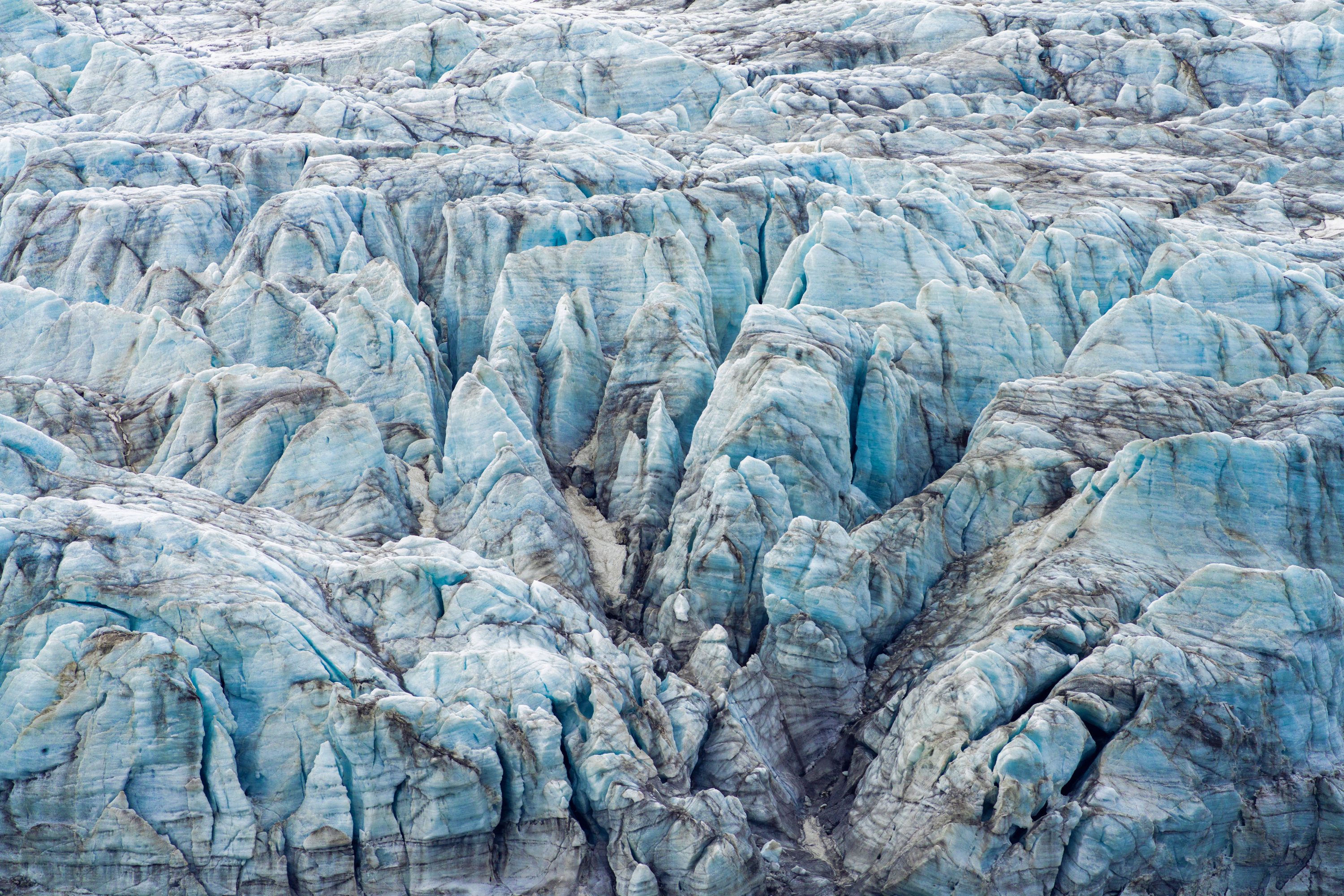
Of all the things to do in Iceland, exploring the numerous glaciers in this country is one of the highlights. In fact, glaciers cover 11% of Icelandic land surface and Iceland is home to 269 named glaciers, most of which come in various shapes and sizes. The blue color of the glaciers comes from compression of the ice, during which air bubbles are squeezed out and ice crystals enlarge. Moreover, black stripes can be seen in the majority of Icelandic glaciers, stemming from volcanic ash, covered by layers of ice throughout decades of glacial formation. The majority of glaciers are situation in national parks, such as Vatnajökull and Thingvellir. In particular, the Skaftafell National Park area provides numerous opportunities to photograph glaciers from different perspectives.
Please keep in mind: Droning above glaciers situated in national parks is forbidden due to disturbance of local fauna (especially birds). In particular, Svinafellsjökull remains off-bounds and a permit is only granted under special conditions. As glaciers have numerous crevices, walking on glaciers without an experienced guide and appropriate gear is not recommended. Temperatures around glaciers drop (for obvious reasons), so make sure to take warm clothing, gloves and a hat while photographing in Iceland.
7. Observe Iceland from Above
The patterns, textures and colors of Icelandic landscapes are simply indescribable. Therefore, one of the best things to do in Iceland is to explore it from above. In particular, a flight with a small airplane or helicopter offers the opportunity for unique photographs and access to areas that may otherwise be restricted to you via car. The best places to take aerial photographs are along the coastlines and in the highlands. However, an experienced pilot will already know the best spots to visit during your trip.
Please keep in mind: As per European law, droning above 120 Meters is not permitted in Iceland. In fact, the best views of Icelandic landscapes are only accessible at about 3,000 Meters. For this reason, it is best to consult with a local pilot or helicopter company when looking to do aerial photography, rather than trying to recreate aerial shots with a drone. Please also mind your carbon footprint, and book tours in groups rather than private flights.
8. Hike to Fagradalsfjall
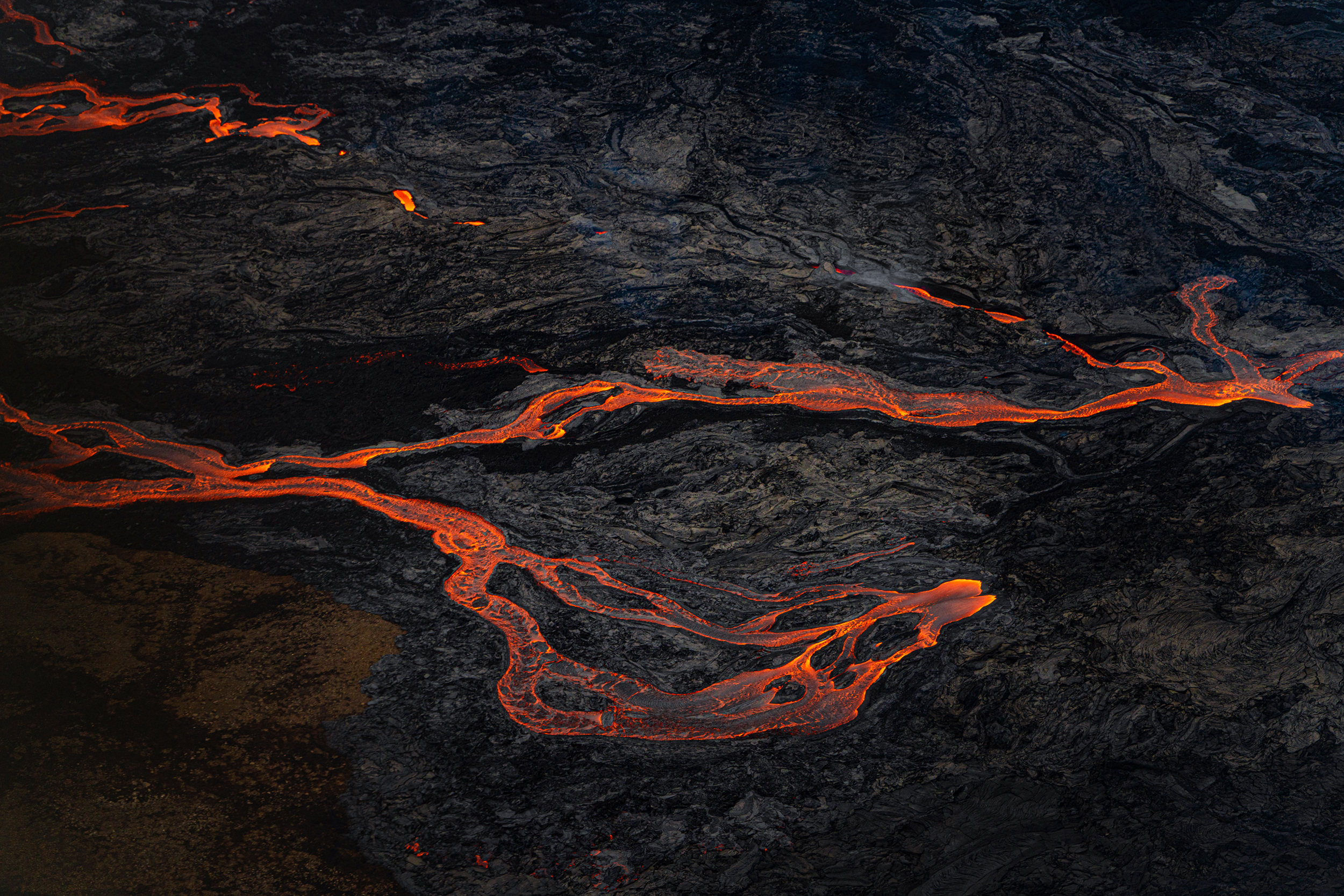
The last thing to do while photographing in Iceland – and one you surely don’t want to miss – is hiking to the volcano, Fagradalsfjall. Fagradalsfjall is a tuya volcano formed in the Last Glacial Period on the Reykjanes Peninsula, around 40 kilometres from Reykjavík, Iceland. The hike to Fagradalsfjall is moderate to difficult, as the mountains are steep at several points. Carrying a 600mm lens, drone and tripod to the volcano was a true challenge. However, having a long lens at the volcano is invaluable, as the magma does not enable close access to the crater anymore.
Please keep in mind: During my time at Fagradalsfjall, I saw some mind-boggling behavior by tourists. From walking on magma, flying a drone directly into the lava-filled crater (one can safely say, that drone did not return) and walking up steep mountains in sneakers, the unpreparedness of tourists for a volcanic experience was obvious. Therefore, please bring sturdy walking shoes, water and warm gear with you when hiking the volcano. Moreover, refrain from walking on magma fields, as there is still lava flowing underneath. Lastly, drones can easily be swayed by the hot air rising from the volcano, as well as the heat of the lava itself. Therefore, please fly cautiously when piloting around the volcano.
Conclusion
Iceland is an incredibly special destination to explore. However, with rising numbers in tourists, coupled with a social media explosion of posts from the country, the importance of nature first has been pushed aside by some while photographing in Iceland. Following these recommendations will not only help you to experience the best that the country has to offer, but will also ensure that its natural phenomena are preserved and protected for years to come.
Night photography allows you to capture the natural world in an entirely new way, transforming landscapes into ethereal scenes under the glow of the moon and stars. With the right techniques and mindset, you can overcome the challenges of low light to create breathtaking images.
Nature photography is a deeply rewarding pursuit, offering the unique opportunity to capture the splendor of the natural world. The thrill of framing a majestic sunrise, the serenity of a still forest, or the raw power of a cascading waterfall can be exhilarating. However, for many nature photographers, the passion that once fueled their creativity can begin to wane, leading to a state known as creative burnout.
Nestled high in the Arctic Circle, Svalbard is a realm of rugged landscapes, unique wildlife, and icy terrains that feels like stepping into another world. For nature and landscape photographers, a Svalbard photography trip offers a chance to capture some of the most awe-inspiring sights on earth, where the isolation and untouched beauty make each image feel like a rare treasure. Here’s what makes Svalbard an extraordinary destination for a once-in-a-lifetime visit.
Witnessing the northern lights, or aurora borealis, is a breathtaking experience that leaves many eager to capture the moment on camera. However, photographing this dazzling display of light requires more than just pointing and shooting. Northern lights photography demands careful planning, the right equipment, and a keen understanding of low-light techniques. Here’s how you can master the art of photographing one of nature’s most beautiful phenomena.
Photography has always been an evolving art form, driven by technological advancements. The latest revolution in the field comes from the integration of photography and AI, fundamentally transforming how images are captured and created. The rise of AI not only enhances camera operations but also enables the generation of entirely new, computer-created content. As a result, questions arise about the relevance of learning traditional photography techniques versus embracing the benefits of AI-generated photography.
In recent years, nature photography has emerged as a compelling medium for creative expression and connection to the environment. Photographers venture into the wild, capturing landscapes, wildlife, and the natural world’s quiet moments in ways that evoke beauty, wonder, and awe. Interestingly, while the field of nature photography has historically been male-dominated, more women are gaining visibility and recognition. However, female outdoor photographers are often perceived as embodying masculine traits—grit, physical endurance, risk-taking—which raises an intriguing question about the intersection of nature photography and femininity. Why are these qualities automatically gendered as masculine, and how does this influence perceptions of female photographers in the field?
To this day, the harbor porpoise remains a mystery, as it is extremely difficult to study it in the wild. Yet, it is now more important than ever to understand this small cetacean. Since 2020, the harbor porpoise has been listed as “critically endangered” by the German Red Species List and strandings continue to occur along European coastlines. This is why a network of institutes in the Netherlands, Denmark and Germany have joined forces to record, save and protect the only whale species living in the North and Baltic Seas. This project dives into the work of these institutes, illustrating that even species that appear insignificant at first glance make a valuable contribution to our oceans and are worth protecting.
Nature photography explores the wonders of our planet. The scope includes landscapes, wildlife, insects, and plants. On one hand, its intention is to portray the beauty of our environment. On the other hand, it can also serve another important purpose. In particular, it can document, record, verbalize, and trigger nature conservation, wildlife protection and environmental action. How? This article shows you how you too can make a difference by photographing beautiful landscapes and wildlife.
Nature photography is a field that blends technical skill, creativity, and a deep appreciation for the natural world. It offers opportunities to capture breathtaking landscapes, wildlife, and environmental beauty. However, despite the universal appeal of nature, the field is predominantly male-dominated, and there are significantly fewer female nature photographers. This imbalance raises important questions: why are there so few women in nature photography, and what barriers prevent them from entering the profession?
In the world of photography, getting your work published in magazines is a prestigious achievement that can significantly elevate your career. Whether you’re an amateur photographer or a seasoned professional, understanding the nuances of publishing photos in magazines can open doors to new opportunities, exposure, and credibility. If you’re eager to see your photos in print, here are eight secrets to help you get your images published in magazines.
Embarking on a journey into nature photography can be incredibly rewarding, allowing you to capture the beauty of the natural world and express your creativity. However, starting out in nature photography doesn’t have to be expensive. With the right strategies and tools, you can build your skills and capture stunning images without spending a fortune. Here’s a guide on how to dive into nature photography on a budget, with essential tips for beginners.
The remote island Helgoland is the only habitat for northern gannets in Germany. Since 1991, it has been a refuge for up to 8,000 breeding pairs, which return to the cliffs every year to raise a single chick. However, marine plastic pollution has been an increasing problem. Confusing the plastic at sea for algae, the birds integrate ribbons from fishing nets into their nests. This results in approximately 14 birds perishing on the cliffs daily due to entanglement and strangulation. It is estimated that today 98% of gannet nests contain plastic waste. This story depicts the contrast between the beauty and tragedy of these seabirds, while investigating scientific research and potential solutions for the critical marine plastic problem.
Puffins are a national treasure in Iceland, which has the largest colony in the world. Yet, for decades, their numbers have been dwindling. Besides a lack of sandeels, climate change and the emerging threat of bird flu are all adding further pressures. Especially young birds are vulnerable to anthropogenic threats. Light pollution can confuse the pufflings, causing them to fly inland instead of out to sea. With the help of citizen scientists and engaged locals, the Sea Life Trust on the island Heimaey is the only organization in the country that rescues and rehabilitates the young seabirds. Besides their operations, scientists at the South Iceland Research Center collaborate with the animal rescue workers to gather data about the puffins with the aim to develop population conservation strategies.
Whale watching has been a booming industry in Norway, having taken precedence over waning whale hunting traditions. Yet, the increase of tours has introduced a new set of challenges for the cetaceans, including underwater ship noise and disturbance, which is increasingly threatening their feeding and breeding success. Termed “silent whale watching”, a whale watching tour provider explores hybrid ship technologies as a sustainable whale watching alternative that aims to reduce disturbance on the marine mammals. Therein, an electric engine is employed when approaching the cetaceans at sea, together with an educational program led by marine biologists on board. This story explores alternative solutions to resolve the complex intersection of tourism and conservation.
In the age of digital photography, photo editing has become a powerful tool that allows photographers to enhance their images, correct flaws, and create stunning visual effects. However, the debate around editing—particularly when it involves removing elements or drastically altering images—has sparked significant controversy. The question at the heart of this debate is: How much editing is too much? This article delves into the controversy of photo editing, exploring the implications of overediting and the balance between artistic vision and authenticity.
Traveling with nature photography gear presents a unique set of challenges. From handling bulky and valuable equipment to navigating customs and security checks, the process can be daunting. However, with careful planning and strategic approaches, you can ensure that your gear remains safe and your photography journey goes smoothly. Here’s an expanded guide to help you travel smartly with your nature photography gear, addressing essential tips for flights, customs, security, and strategies to avoid theft.
Based in Sindos, Action for Wildlife is the only non-government organization specialized in the rescue and rehabil- itation of wildlife in northern Greece. Working in collaboration with the Hellenic Wildlife Hospital, the first wildlife hospital in the Balkans, its patients include turtles, hedgehogs, seabirds, jackals, and raptors. The human-wildlife conflict is a frequent reason that wild animals are brought into the center. Conflicts include pollution, habitat loss, hunting, poisoning, trapping and vehicle collisions. Together with animal care workers, veterinarian Sophia Prousali works tirelessly to rehabilitate the injured animals. Despite a survival rate averaging 30%, she notes that “every life is important, and initiating a dialogue between humans and nature can aid in helping these animals in the future”.
Capturing stunning images of wildlife can be incredibly rewarding, but it’s crucial to prioritize the well-being of the animals and their environment. Wildlife photography tips are essential for ensuring that your presence does not negatively impact the animals or their natural habitat. Here are five must-know tips for photographing wildlife ethically and respectfully while preserving the beauty and integrity of their surroundings.
Traveling as a female nature photographer can be an incredibly rewarding experience. Capturing stunning landscapes, wildlife, and natural beauty allows you to connect with nature and share it with the world. However, traveling alone also comes with risks, and it’s important to stay vigilant while on your adventures. From photographing out of your car to using a local guide in remote areas, there are several strategies to ensure that you stay safe while enjoying your passion. Below are some essential tips for staying safe as a female nature photographer.
Ghost nets are abandoned, lost, or discarded fishing nets that continue to float in oceans, posing significant threats to marine life and ecosystems. They can entangle a wide range of marine animals, leading to injury, suffocation, and death. To prevent continuous wildlife by-catch, the Society for the Rescue of Dolphins coordinates complex ghost net retrieval operations several times per year on the German island Ruegen. Therein, teams of divers descend up to 30 meters (100 feet) into murky, dark, cold waters to attach lift bags to the ghost nets. The lift bags are then inflated, so that the net can safely float to the surface, where it is pulled out onto a fishing vessel and later discarded.
Nature photography demands time, patience, and often long hours outdoors, where unpredictability is the only constant. For a female nature photographer, like myself, these challenges are often compounded by the unique physiological experience of menstruation. Dealing with your period while trekking through forests, hiking up mountains, or waiting hours in a hide for the perfect shot can present additional layers of discomfort, distraction, and inconvenience.
Yet, despite these challenges, women continue to thrive in this demanding field, proving that their creativity, passion, and skills can overcome even the most frustrating physical obstacles. This article explores the intersection of photography and periods, offering practical tips to help female nature photographers stay prepared, comfortable, and focused while out in the wild.
In the realm of nature photography, there’s a lively debate about the impact of gear on image quality. Some purists argue that skill and technique are the primary determinants of a great photograph, while others believe that having the right equipment can significantly enhance the final result. While this may be an unpopular opinion in some circles, I firmly believe that your nature photography gear does indeed play a crucial role in the quality of your photos. Here’s an in-depth look at why your equipment choices matter and how they can influence your nature photography.
In an age where visual storytelling has become increasingly influential, nature conservation photography has emerged as a vital tool in environmental advocacy. By capturing the splendor of natural landscapes, wildlife, and the impact of human activity, nature conservation photography aims to raise awareness, inspire action, and drive meaningful change. But does this form of photography truly make a difference? Let’s explore the role of nature conservation photography in environmental efforts and assess its impact on public perception and policy.
So, you want to get into landscape photography? Whether you’re a beginner or professional, you need the right camera that enables you to achieve the best results. With a growing number of systems and advancing technology, deciding on the right camera has become more difficult than ever. Questions like: “Which camera should I buy?” “Which technology should I choose from?” and “What the heck is the difference between them all?” can leave us with sweating palms. A few years ago, these questions were easy to answer – if you wanted to get creative results, you had to buy a DSLR. But since Panasonic’s introduction of the mirrorless camera in 2008, the entire market has shifted. So, what IS the best camera for landscape photography? And what is the difference between a mirrorless versus DSLR camera?
Wildlife photography could arguably be the one of the most challenging and sensitive types of visual arts. As wild animals are unpredictable and (mostly) have a healthy fear of humans, a lot of the work that takes place in the field is a result of extensive research, preparation and intuition. Yet, despite all this groundwork, it’s sometimes difficult to judge whether the actions we are taking to photograph wildlife can truly be considered ethical.
When dealing with wild species striving to survive on a daily basis, utmost attention should be dedicated towards capturing images authentically and ethically. For this reason, this article provides you with 20 ways to photograph wildlife ethically when venturing into the wild with your camera.








 EN
EN  DE
DE